


How to Plan a Trip to Southeast for First-Time Travelers
Planning a trip to Southeast Asia can be overwhelming, especially if it’s your first time. There are so many countries to choose from, each with its own attractions, challenges, and quirks. How do you decide where to go, when to go, what to pack, how to get around, and how to stay safe and healthy? Don't worry, we've got you covered. In this article, we will share some tips and advice on how to plan a trip to Southeast Asia that suits your interests, budget, and time frame.
Jump to the section
Where to Go in Southeast Asia
How Many Days to Spend in Southeast Asia
When to Go to Southeast Asia
How Much is the Southeast Asia Tour
How to Pack for Southeast Asia
How to Plan Your Itinerary for Southeast Asia
Where to Go in Southeast Asia
Southeast Asia consists of 11 countries: Brunei, Cambodia, Indonesia, Laos, Malaysia, Myanmar, the Philippines, Singapore, Thailand, Timor-Leste, and Vietnam. They are conveniently connected by short flights or land borders, making it easy to visit more than one country in one trip.
However, we recommend that you don't try to cram too many destinations into your itinerary. Southeast Asia is a huge and diverse region that deserves more than a superficial glance. You will enjoy your trip more if you focus on one or two countries and explore them in depth, rather than rushing from one place to another.
The five most popular destinations for first-time travelers to Southeast Asia are Thailand, Vietnam, Cambodia, Singapore, and Malaysia. These countries offer a good mix of culture, nature, history, and modernity. They also have well-developed tourism infrastructures and are relatively easy to travel in.
Thailand
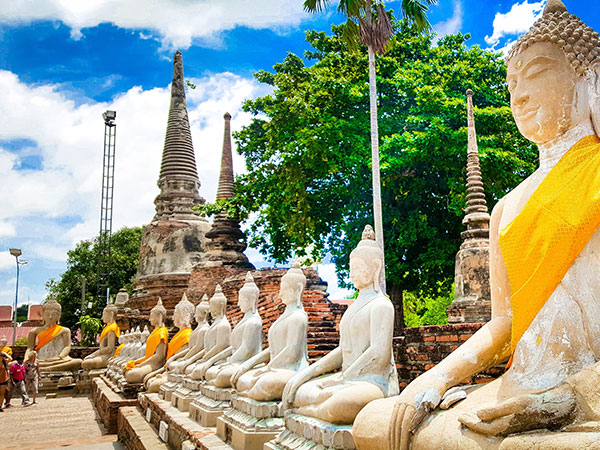
Thailand is the travel hub of Southeast Asia. It is famous for its friendly and hospitable people and its rich culture and traditions. Some of the highlights of Thailand include Bangkok, Chiang Mai, Phuket/Koh Samui, Ayutthaya/Sukhothai, and Krabi/Railay.
Vietnam
Vietnam is a country of contrasts. It has a long and turbulent history that is reflected in its architecture, museums, and monuments. It has a diverse and beautiful landscape that ranges from the mountains and rice terraces of Sapa to the limestone karsts and caves of Halong Bay to the sand dunes and beaches of Mui Ne. It has a vibrant and dynamic culture that blends influences from China, France, and the US. It has a mouthwatering cuisine that is fresh, flavorful, and varied.

Cambodia
Cambodia is best known for its ancient temples of Angkor Wat near Siem Reap. This UNESCO World Heritage Site is one of the most impressive archaeological wonders in the world. It consists of hundreds of temples spread over a vast area that showcase the artistic and architectural achievements of the Khmer Empire between the 9th and 15th centuries. But Cambodia has more than just temples. It also has a tragic recent history that can be learned at the Killing Fields and Tuol Sleng Genocide Museum in Phnom Penh. It also has a charming countryside with rice fields, waterfalls, and floating villages. It also has some idyllic islands and beaches along its southern coast.

Singapore
Singapore is a small but modern city-state that offers a glimpse into the future of Southeast Asia. It is known for its cleanliness, efficiency, and diversity. It is home to people from various ethnic backgrounds, such as Chinese, Malay, Indian, and Eurasian, who live harmoniously together. It has a plethora of attractions for all ages, such as Gardens by the Bay, Marina Bay Sands, Universal Studios, and Sentosa Island. It also has a vibrant food scene that reflects its multicultural heritage, with dishes ranging from hawker stalls to Michelin-starred restaurants.

Malaysia
Malaysia is a country of diversity and contrast. It has a multicultural and multilingual society that consists of Malays, Chinese, Indians, and indigenous groups. It has a rich and varied heritage that reflects influences from Islam, Buddhism, Hinduism, Christianity, and colonialism. It has a stunning and diverse natural beauty that spans from the highlands and rainforests of Peninsular Malaysia to the islands and wildlife of Borneo. It has a delicious and distinctive cuisine that blends spices, flavors, and ingredients from different cultures.

How Many Days to Spend in Southeast Asia
The number of days you should spend in Southeast Asia depends on how much time you have, how many countries you want to visit, and how deep you want to explore each destination. Of course, the more time you have, the better. Southeast Asia is a region that can keep you entertained for months, if not years.
However, if you are like most travelers, you probably have a limited amount of time and money to spend on your trip. In that case, we suggest that you plan your itinerary based on the following guidelines:
10-15 days: If you have 10-15 days in Southeast Asia, you should focus on two or three neighboring countries. This will allow you to see the main highlights of each destination without rushing too much. For example, you could visit Thailand and Cambodia, Vietnam and Cambodia, Singapore, Malaysia and Thailand.
20-30 days: If you have 20-30 days in Southeast Asia, you can afford to visit more countries and go deeper into each one. You could cover the whole Indochina peninsula (Thailand, Vietnam, Cambodia, Laos, and Myanmar), or combine it with some islands in Indonesia or the Philippines. You could also spend more time in each country and explore some off-the-beaten-path places that are less visited by tourists.
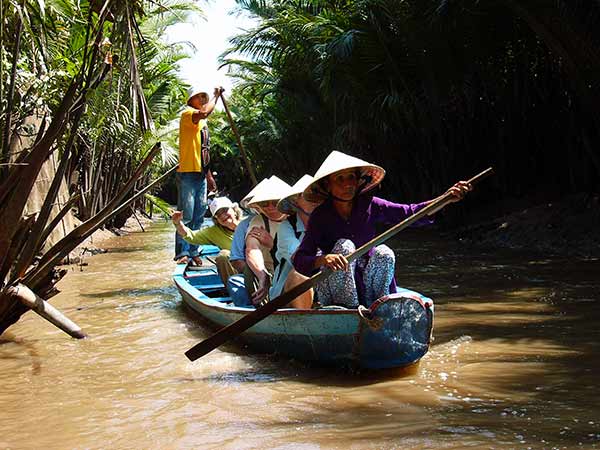
22 Days Indo-china Discovery Tour
Vietnam: Hanoi, Halong Bay, Ho Chi Minh; Cambodia: Phnom Penh, Siem Reap; Laos: Luang Prabang; Thailand: Chiangmai, Bangkok
When to Go to Southeast Asia
Southeast Asia has a tropical climate that is hot and humid all year round. However, there are some variations depending on the location and the season. There are two main seasons in Southeast Asia: the rainy season and the dry season. The rainy season usually lasts from June to October, while the dry season lasts from November to February. However, these dates may vary slightly depending on the country and the region. For example, Indonesia and the Philippines have different rainy seasons than mainland Southeast Asia.
The rainy season is characterized by frequent showers and thunderstorms that usually occur in the afternoon or evening. The rain can last from a few minutes to a few hours, depending on the intensity. The rainy season also brings higher humidity and lower visibility.
The dry season is characterized by sunny skies and cooler temperatures, especially at night and in the highlands. The dry season also brings lower humidity and higher visibility.
The dry season is generally the most comfortable and popular time for tourists to visit Southeast Asia. Some travelers prefer to avoid the rainy season because of the inconvenience and unpredictability of the weather. Others don't mind the rain because it brings lower prices, fewer crowds, and greener scenery.
How Much is the Southeast Asia Tour
Generally speaking, the average daily price for tours in Southeast Asia is around $164 per day. The overall average cost of all tours is calculated to be $2,146. These are organized tours that include accommodation, transportation, activities, and guides.
If you prefer to travel independently, you can expect to spend around $50-$60 per day for two people or $35-$40 per day for one person in Southeast Asia. This is traveling as a backpacker, using budget accommodation and eating mainly local food. This does not include pre-trip expenses such as flights and travel insurance.
Of course, these are just rough estimates and your actual expenses may vary depending on your personal preferences and choices.

14 Days Discover Cambodia & Vietnam
Siem Reap, Phnom Penh, Ho Chi Minh, Hue, Hoi An, Ha Long Bay, Hanoi
How to Pack for Southeast Asia
Pack light, loose cotton clothing: Southeast Asia is mostly hot and humid, so you want to wear clothes that are breathable and comfortable. Cotton is a good choice, as it absorbs sweat and keeps you cool. Avoid synthetic fabrics that may trap heat and cause irritation. You may also want to pack some long-sleeved shirts and pants to protect yourself from mosquitoes and sunburn. A light jacket or sweater may be useful for cooler nights or air-conditioned places.
Bring a raincoat and an umbrella: Southeast Asia has a monsoon season that varies depending on the country and region. During this time, you may encounter heavy rain and thunderstorms that can last for hours or days. To stay dry and comfortable, it is advisable to bring a raincoat and an umbrella. A raincoat can also double as a windbreaker or a layer of warmth. An umbrella can also provide shade from the sun.
Pack sandals and flip-flops: Sandals and flip-flops are essential for Southeast Asia, as they are easy to slip on and off when entering temples, mosques, or other places of worship. They are also comfortable and practical for walking on beaches, streets, or trails. You may also want to bring a pair of sneakers or hiking shoes if you plan to do some trekking or adventure activities.
How to Plan Your Itinerary for Southeast Asia
Planning your itinerary for Southeast Asia can be fun but challenging. There are so many places to see and things to do that it can be hard to narrow down your options. However, there are some steps you can follow to make your planning easier:
Step 1: Choose your destinations: The first step is to choose your destinations based on your interests, budget, time frame, and season.
Step 2: Create your route: The second step is to create your route based on your chosen destinations.
Step 3: Book your tickets and accommodation: The third step is to book your tickets and accommodation based on your route.
Step 4: Plan your activities and budget: The fourth step is to plan your activities and budget based on your itinerary.
Recommended Tours

15 Days Best of China and Vietnam Group Tour
Beijing, Xi'an, Shanghai, Hanoi, Halong Bay, Ho Chi Minh

10 Days Singapore & Malaysia Small Group Tour
Singapore, Penang, Cameron Highlands, Kuala Lumpur

13 Days Singapore, Malaysia & Thailand Group Tour
Singapore, Penang, Cameron Highlands, Kuala Lumpur, Bangkok, Ayutthaya